Infectious Change: Reinventing Chinese Public Health After an Epidemic
Infectious Change: Reinventing Chinese Public Health After an Epidemic
Infectious Change: Reinventing Chinese Public Health After an Epidemic
OTHER ARTICLES

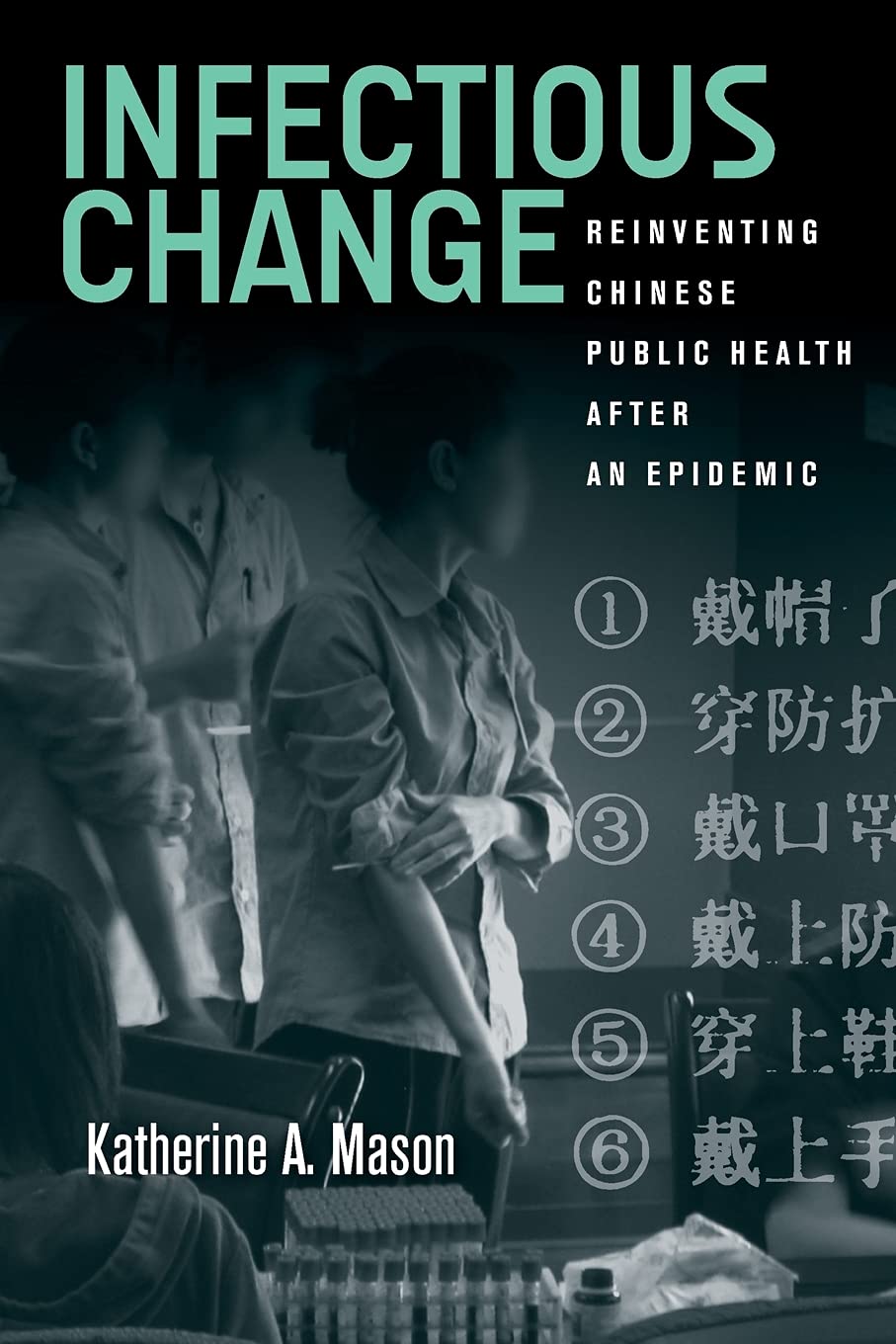
In February 2003, a Chinese physician crossed the border between mainland China and Hong Kong, spreading Severe Acute Respiratory Syndrome (SARS)—a novel flu-like virus—to over a dozen international hotel guests. SARS went on to kill about 800 people and sicken 8,000 worldwide. By July 2003 the disease had disappeared, but it left an indelible change on public health in China. The Chinese public health system, once famous for its grassroots, low-technology approach, was transformed into a globally-oriented, research-based, scientific endeavor.In Infectious Change, Katherine A. Mason investigates local Chinese public health institutions in Southeastern China, examining how the outbreak of SARS re-imagined public health as a professionalized, biomedicalized, and technological machine—one that frequently failed to serve the Chinese people. Mason recounts the rapid transformation as young, highly-trained biomedical scientists flooded into local public health institutions, replacing bureaucratic government inspectors who had dominated the field for decades. Infectious Change grapples with how public health in China was reinvented into a prestigious profession in which global impact and recognition were paramount—and service to vulnerable local communities was secondary.


Comments
Post a Comment